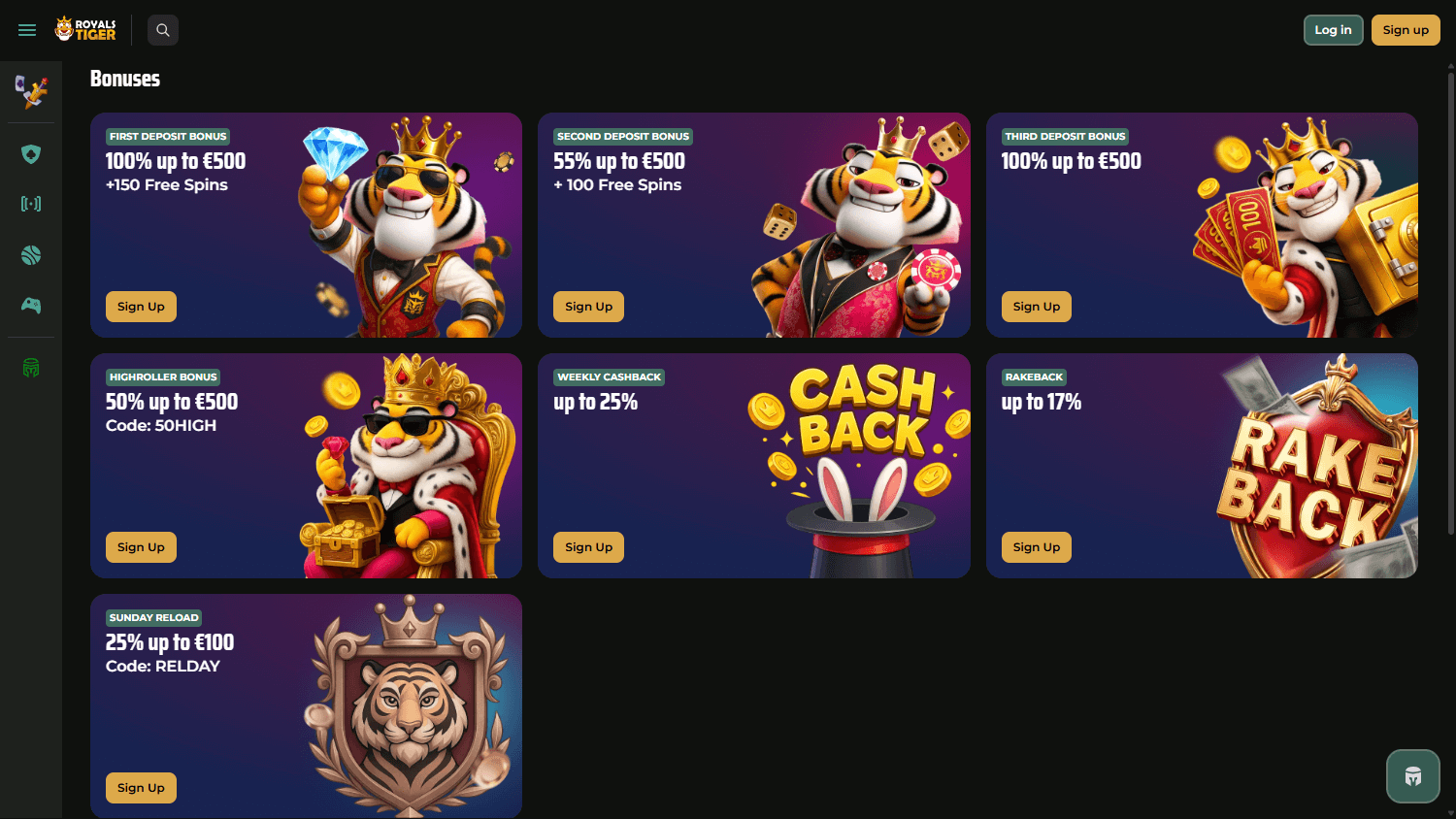
The online gambling landscape in the Netherlands shifted hard after the Remote Gambling Act came into force. A licence has become more than a simple administrative tick. It’s the foundation of a secure, legally compliant casino experience. Players who understand how licensing works can spot platforms that comply with Dutch law, safeguard personal data, and provide fair games. At RoyalsTiger Casino, legal clarity is integrated into the player journey, with licensing information and terms made accessible before registration. This article examines the core elements of online casino licensing, how the Dutch regulator functions, what to seek in terms and conditions, and how affiliate partners must act responsibly.
The Function of a Casino Licence in the Netherlands
An online casino licence is a formal permit issued by a supervisory authority. It permits an operator to deliver games of chance in a given jurisdiction. In the Netherlands, the responsible authority is the Kansspelautoriteit, or Ksa. A Dutch licence demonstrates the operator has met stringent requirements on game fairness, financial stability, data security, and anti-money laundering procedures. Without that licence, delivering online casino services to Dutch residents is illegal. For players, the licence is a practical protection because the casino can be held accountable under Dutch law. For operators, it creates a solid legal framework for building a sustainable business.
Licensing also shapes payment processing, advertising, and customer support. Licensed casinos must use payment methods that satisfy Dutch financial regulations and maintain transparent procedures for deposits and withdrawals. The licence mandates operators to work with recognised dispute resolution bodies so player complaints get an impartial review. RoyalsTiger Casino positions its legal and affiliate information within this framework, making clear that compliance isn’t a slogan. It’s an practical requirement. When a platform displays licence details prominently and explains its obligations, it indicates a commitment to fair treatment and long-term accountability. This matters for Dutch players who want confidence before they deposit. A visible licence is a first sign of a reputable operator.
Verifying a Valid Licence and Avoiding Fraudulent Claims
Unlicensed operators sometimes try to look legitimate by presenting fake licence badges or referencing regulators that don’t actually oversee online gambling. Players should get into the habit of verifying licence claims independently rather than taking on-screen logos at face value. A genuine Dutch licence may be verified by checking the Kansspelautoriteit’s official website, where a public register shows every licensed operator. The register contains the company’s legal name, trading names, licence number, and the specific gambling activities they are licensed to offer. If a casino asserts to hold a Dutch licence but is not listed in this register, players should steer clear of the platform entirely.
Several warning signs are useful to players spot fraudulent licensing claims before they deposit. Operators that show licences from jurisdictions with weak regulatory oversight, such as certain Caribbean or Pacific island nations, often use these credentials to establish a false sense of legitimacy. These licences could be cheap to obtain and carry minimal enforcement, leaving players with no meaningful protection. Other red flags comprise vague licence references without specific numbers, broken links to regulator websites, and claims of being “licensed in Europe” without naming a specific authority. Players should also watch out for casinos that change their licensing claims frequently or run under multiple brand names with different licence numbers. Consistent transparency distinguishes genuine operators. Any ambiguity around licensing should be treated as a serious concern.
How Licensing Protects Player Funds and Private Information
When a player joins a licensed online casino, they hand over sensitive personal information and real money deposits. The Dutch licensing framework handles both concerns through mandatory security standards and financial safeguards. Licensed casinos must encode all data transmissions using advanced SSL technology and keep personal information on secure servers with restricted access protocols. The Ksa requires operators to appoint a data protection officer and conduct regular security audits to spot and repair vulnerabilities before they can be exploited. These measures cut the risk of data breaches and identity theft, which stay persistent threats in the unlicensed gambling market.
Financial protection is similarly solid under the Dutch system. Player deposits must be held in segregated bank accounts, legally separate from the operator’s business accounts. This separation means that even in the unlikely event of a licensed operator declaring bankruptcy, player funds remain identifiable and recoverable through legal processes. Licensed casinos must also keep sufficient liquidity to meet all outstanding player balances at any given time, a requirement confirmed through regular financial reporting to the Ksa. Withdrawal requests must be completed within clearly defined timeframes, and operators cannot apply unreasonable delays or hidden fees on cashouts. These protections are a stark contrast to unlicensed platforms, where players have no legal recourse if their funds go missing or their personal data is transferred to third parties.
Understanding Terms and Conditions By Means of a Licensing Lens
The terms and conditions of a licensed casino are not arbitrary rules designed to confuse players. They are legal documents formed by regulatory requirements. Dutch-licensed operators must present their terms in clear, accessible language and provide them before a player completes registration. Key provisions players should review include bonus wagering requirements, withdrawal limits, account verification procedures, and the circumstances whereby an account may be suspended or closed. Licensed casinos cannot include terms that contradict Dutch consumer protection law, such as clauses enabling them to confiscate funds without justification or change bonus conditions retroactively.
Players should pay particular attention to the dispute resolution section of the terms and conditions. Licensed operators must provide access to an approved alternative dispute resolution body that can adjudicate complaints independently. If a player thinks a casino has acted unfairly, they can escalate the matter beyond the operator’s internal complaints team to this external adjudicator. The adjudicator’s decisions are binding on the operator, providing a meaningful avenue for redress that is unavailable with unlicensed platforms. RoyalsTiger Casino ensures its terms and conditions reflect these regulatory obligations, with clear explanations of player rights and operator responsibilities. Reading and understanding these documents before depositing is one of the most effective steps a player can take to protect their interests.
How the Dutch Gambling Authority Oversees Operators
The Kansspelautoriteit supervises all forms of gambling authorized under Dutch law, covering online casino games, sports betting, and lotteries. Its primary mission is to safeguard consumers, stop gambling addiction, and fight illegal and criminal activities linked to unlicensed gambling. The Ksa does this through a mix of proactive monitoring, strict enforcement actions, and public awareness campaigns. Operators possessing a Dutch licence must file regular reports on their financial health, game payout percentages, and responsible gambling measures. The authority also performs audits and can impose significant fines or revoke licences when operators neglect to meet their obligations.
One of the Ksa’s most prominent regulatory tools is its enforcement against illegal operators directed at Dutch players without a licence. The authority proactively monitors IP addresses, payment traffic, and advertising channels to spot unlicensed activity. When violations surface, the Ksa sends cease-and-desist orders and publishes the names of offending operators to warn the public. This transparency assists players understand which platforms operate within the law and which do not. For licensed operators, the Ksa’s oversight extends to advertising standards, demanding that marketing materials do not target vulnerable groups such as minors or young adults. The regulator also obliges that all licensed casinos integrate to the Central Register of Exclusion of Games of Chance, known as Cruks, which enables players to self-exclude from all licensed gambling venues in the Netherlands.
The Relationship Between Licensing and Gambling Responsibility
Dutch gambling licences aren’t granted solely on financial and technical competence. Operators must also prove a genuine commitment to minimising gambling-related harm. The Ksa mandates every licensed casino to establish a comprehensive responsible gambling framework that goes beyond basic compliance. This encompasses mandatory deposit limits that players can set upon registration, with lower default limits for younger adults aged 18 to 24. Operators must also offer reality check notifications that inform players how long they’ve been gambling and how much they’ve spent during the current session. These interventions are intended to interrupt potentially harmful patterns before they escalate into serious problems.
The Cruks self-exclusion register is the most powerful responsible gambling tool on offer to Dutch players. Once registered, an individual is prevented from accessing all licensed online and land-based gambling venues in the Netherlands for a minimum of six months. Licensed operators are legally mandated to check every new registration against the Cruks database and deny service to anyone listed. This system-wide approach guarantees a player’s decision to step away from gambling is upheld across the entire legal market. Operators must also train their customer support staff to spot signs of problematic gambling behaviour and act appropriately, whether by directing players to addiction support services or enforcing temporary account restrictions. These measures reflect the Dutch government’s view that gambling licences entail a social responsibility extending far beyond tax revenue generation.
Core Requirements for Getting a Dutch Casino Licence
Acquiring a licence from the Kansspelautoriteit is a stringent process. It’s intended to filter out operators who cannot meet the Netherlands’ high standards for consumer protection and integrity. Applicants must demonstrate substantial financial reserves, present detailed business plans, and demonstrate their technical systems are secure and durable. The Ksa scrutinizes the backgrounds of all key personnel, including directors and major shareholders, to guarantee they have no history of criminal activity or regulatory breaches. This screening extends to the software providers and game developers the operator aims to use. All games must be verified for fairness by an accredited testing laboratory before they can be made available to Dutch players.
The technical requirements are just as demanding. Licensed operators must locate their primary gambling servers within the European Economic Area and implement strict data protection protocols compliant with the General Data Protection Regulation. Player funds must be held in segregated accounts, apart from the company’s operational capital. This guarantees deposits remain safeguarded even if the operator faces financial difficulties. Every licensed casino must also implement a comprehensive responsible gambling policy that features deposit limits, reality checks, and direct integration with the Cruks self-exclusion system. These requirements create an environment where Dutch players can gamble with confidence, knowing the operator passed extensive scrutiny before accepting their first deposit.
How Affiliate Partners Should Align To Licensing Standards
Online casino affiliates carry out a significant role in the Dutch gambling ecosystem by steering players toward licensed platforms through reviews, comparison sites, and promotional content. The Ksa maintains affiliates to high standards, treating them as an extension of the licensed operator’s marketing activities. Affiliates must ensure all content is factually accurate, does not target vulnerable groups, and clearly discloses the commercial nature of their relationship with the casinos they promote. Misleading claims about bonus offers, win rates, or the ease of making money through gambling may trigger enforcement action against both the affiliate and the operator they represent.
Responsible affiliates go beyond minimum compliance by offering educational content that aids players understand licensing, responsible gambling tools, and the risks tied to unlicensed platforms. They ought to prominently display licence information for every casino they review and explain what that licence implies in practical terms. Affiliates need to also avoid creating a sense of urgency or pressure in their marketing, as this can encourage impulsive decisions players later regret. The best affiliate partners regard their role as information providers rather than sales agents, acknowledging that an informed player is more likely to have a sustainable and positive relationship with licensed gambling. This alignment between affiliate conduct and licensing standards strengthens the entire regulated market and assists Dutch players make choices based on accurate, balanced information.
What Lies Ahead of Online Casino Licensing in the Netherlands
The Dutch regulatory framework for online gambling is constantly changing as the Ksa builds expertise with the licensed market and addresses emerging challenges. Recent developments include stricter advertising restrictions, with a ban on untargeted advertising and limitations on celebrity endorsements that took effect in 2023 and 2024. The Ksa has also announced plans to boost monitoring of game design features that may promote excessive play, such as rapid spin speeds and misleading near-miss presentations. These developments suggest a progressively tighter licensing regime, with operators required to continuously enhance their player protection measures rather than simply maintaining the standards that obtained their initial licence.
Technological advances are also shaping the future of licensing enforcement. The Ksa is allocating resources to automated monitoring systems that can detect unlicensed operators faster and track their attempts to dodge blocking measures. Blockchain technology and artificial intelligence may eventually have roles in verifying game fairness and identifying problematic gambling patterns in real time. For players, these developments promise an increasingly secure environment where the protections tied to a Dutch licence become even stronger. Operators who welcome this trajectory and view compliance as an ongoing commitment rather than a one-time hurdle will be best positioned to prosper in the Netherlands’ regulated market. The fundamental principle stays the same: a valid licence is the single most important indicator of a safe and fair online casino experience.
Understanding online casino licensing enables Dutch players to make informed decisions about where they gamble. The Kansspelautoriteit’s rigorous standards build a market where player funds, personal data, and wellbeing get meaningful protection. By verifying licence claims, reading terms and conditions carefully, and using the responsible gambling tools that licensed operators must provide, players can experience online casino entertainment within a framework designed for their safety. The difference between a licensed and unlicensed platform isn’t merely administrative. It’s the distinction between legal accountability and complete vulnerability. Every player deserves the protections that only a genuine Dutch licence can provide.